Polar Research Vessels
Combining the brute strength of an icebreaker with the delicate instrumentation of a world-class science laboratory.
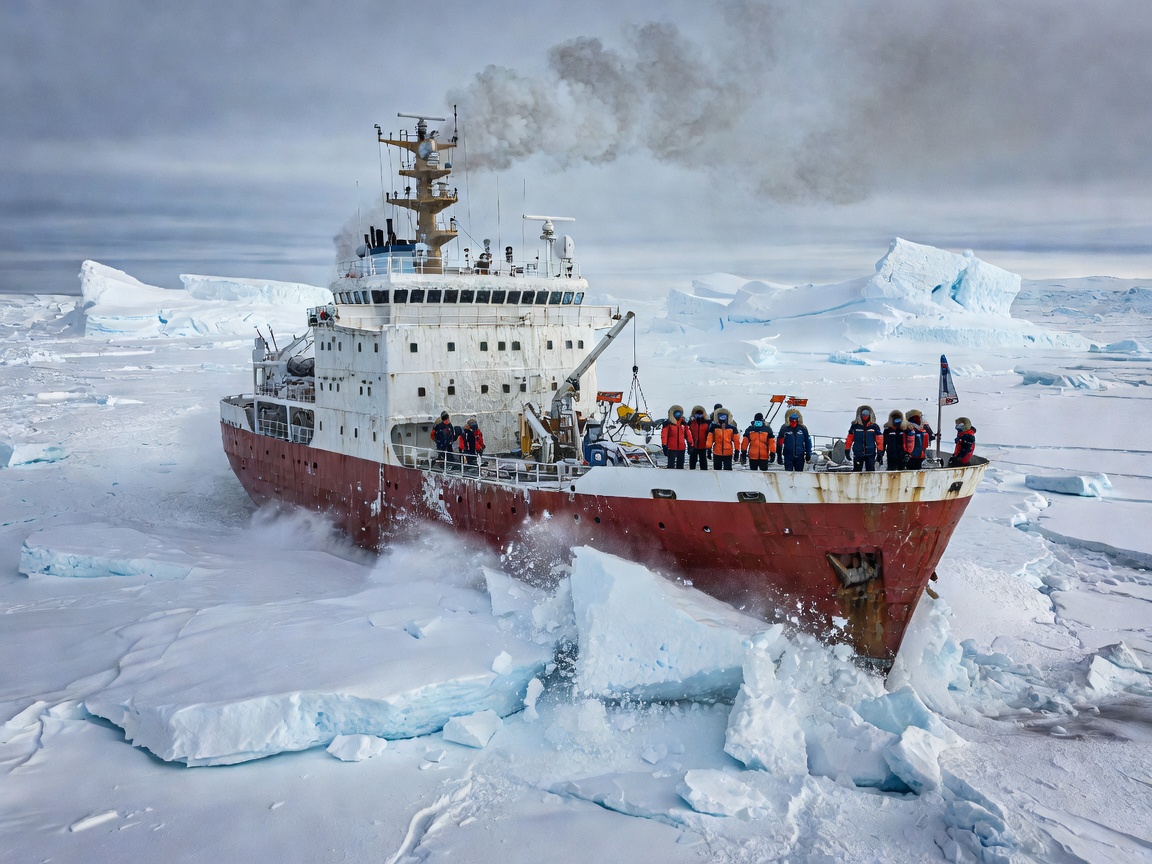
The Mission of Polar Research
The Arctic and Antarctic regions are the front lines of global climate change. Understanding shifts in ocean currents, measuring glacial retreat, and monitoring polar marine biology requires scientists to physically access some of the most hostile environments on the planet. Polar research vessels are custom-built to safely transport multidisciplinary scientific teams through heavy ice, housing them for months at a time while facilitating complex data collection.
Design and Scientific Infrastructure
A true polar research vessel is a triumph of multi-purpose engineering. They must balance the heavily reinforced hull required for icebreaking with acoustic silencing necessary for sensitive sonar mapping and marine mammal tracking. Excessive vibration from icebreaking engines can ruin delicate microscopic analysis, so vibration-dampening mounts for laboratories are a critical design element.
Key Onboard Features
- Moon Pools: Internal shafts that open directly into the sea through the ship's hull, allowing deployment of instruments without exposing scientists to surface weather or floating ice.
- Helicopter Pads: Essential for scouting navigable routes through pack ice and transporting scientists to remote glacial camps.
- ROV Deployment Systems: Winches and A-frames designed to launch Remotely Operated Vehicles (ROVs) and Autonomous Underwater Vehicles (AUVs) deep beneath the ice shelves.
- Containerized Labs: Modular deck space allowing specific scientific equipment to be swapped in and out via standard shipping containers depending on the expedition's focus.
Notable Expeditions
Modern polar research vessels have enabled unprecedented scientific achievements. For instance, multi-national drift expeditions involve deliberately freezing a research vessel into the Arctic pack ice. For an entire year, the ship serves as a central hub as the ice drifts across the polar cap. This allows scientists to set up sprawling camps on the ice surrounding the ship to take continuous winter measurements of atmospheric physics, sea ice dynamics, and biogeochemistry that would be otherwise impossible to collect.
Logistics and Antarctic Supply
Beyond pure science, research vessels play a vital logistical role. The various research bases dotted across the Antarctic continent rely on brief summer windows for resupply. Ships must break through the fast ice to deliver fuel, food, building materials, and relief personnel. They are floating warehouses just as much as they are floating laboratories. Operating in Antarctica is strictly governed by the Antarctic Treaty System, meaning these ships operate under rigorous environmental standards to prevent contamination of the continent.
Future-Proofing Science
The latest generation of polar research vessels heavily emphasizes sustainability. Advanced hybrid propulsion systems, battery banks to handle peak loads, and specialized exhaust scrubbers ensure that the ships do not pollute the very environments they are sent to study. As our need for accurate climate modeling grows, the capabilities of these remarkable ships will only continue to expand.