Polar Expedition Cruising
The rapid rise of luxury ice-class cruise ships is transforming how civilians experience the raw, untouched beauty of the planet's extremes.
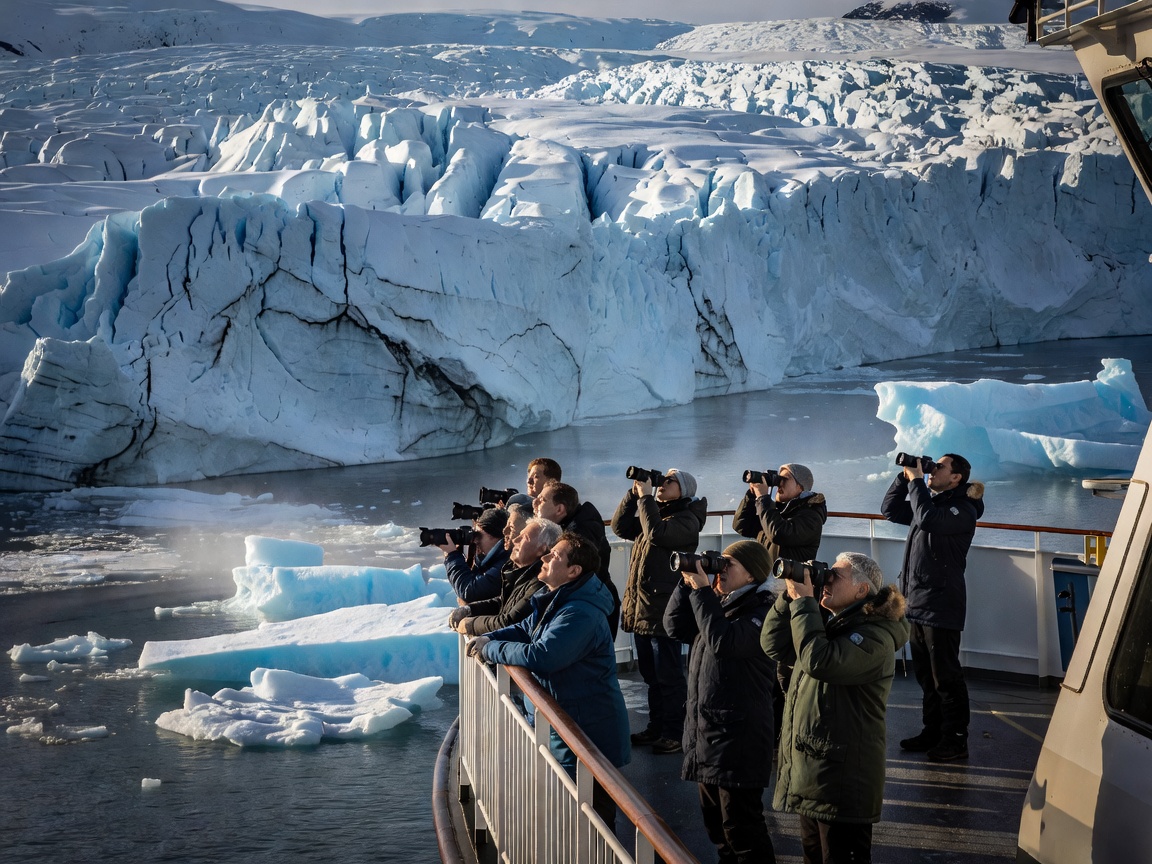
The Rise of Polar Tourism
A few decades ago, traveling to Antarctica or the High Arctic was restricted almost entirely to government scientists and rugged explorers. Today, the advent of high-ice-class expedition cruise ships has opened these pristine regions to civilian travelers. These are not standard ocean liners; they are purpose-built vessels designed to navigate sea ice while providing a comfortable, often luxurious, basecamp for off-ship adventures.
The Vessels: Blending Luxury with Durability
Modern expedition ships blur the line between rugged icebreakers and luxury hotels. To safely traverse routes like the infamous Drake Passage—known for some of the roughest seas on Earth—and push into pack ice, these ships must meet high IACS Polar Class standards, often PC6 or PC5. This means they feature thickened hulls, specialized azipod propulsion to maneuver tightly among icebergs, and redundant engineering systems to ensure safety in remote locations.
Inside, however, passengers experience panoramic lounges, fine dining, and expert-led lecture theaters. The focus is on enrichment, with onboard teams of naturalists, marine biologists, and historians who contextualize the wildlife and landscapes the passengers are viewing.
Off-Ship Operations
The true draw of an expedition cruise is getting off the ship. Operations are highly structured to maximize safety and minimize environmental impact:
- Zodiac Cruising: Small, rigid-inflatable boats are used to navigate close to glaciers and whale feeding grounds.
- Shore Landings: Strict regulations limit the number of passengers ashore at any one time (usually a maximum of 100 in Antarctica).
- Biosecurity: Rigorous boot-washing and clothing vacuuming protocols prevent the introduction of invasive species to isolated ecosystems.
Environmental Guidelines and AECO/IAATO
The surge in polar tourism brings valid concerns about the environmental footprint left on fragile habitats. To self-regulate and ensure sustainable practices, operators belong to organizations like the International Association of Antarctica Tour Operators (IAATO) and the Association of Arctic Expedition Cruise Operators (AECO).
These organizations set strict operational guidelines. For instance, heavy fuel oil (HFO) is banned in Antarctic waters to prevent devastating spills. Ships must utilize marine gas oil or alternative fuels like liquefied natural gas (LNG). Furthermore, ships coordinate their schedules to ensure no two vessels land at the same site simultaneously, preserving the wilderness experience and reducing stress on local penguin or walrus colonies.
Choosing an Expedition
Prospective travelers must weigh several factors. Smaller ships (under 200 passengers) offer more frequent shore landings, as everyone can disembark quickly. Larger ships may be more stable crossing open oceans but are restricted from landing at certain sensitive sites. Whether seeking the dramatic fjords of Svalbard in search of polar bears or the immense ice shelves of the Antarctic Peninsula, the expedition cruise sector offers an unparalleled avenue for profound geographical discovery.