Nuclear-Powered Giants
Unlimited range and unparalleled power: how nuclear reactors revolutionized operations in the frozen expanse of the high Arctic.
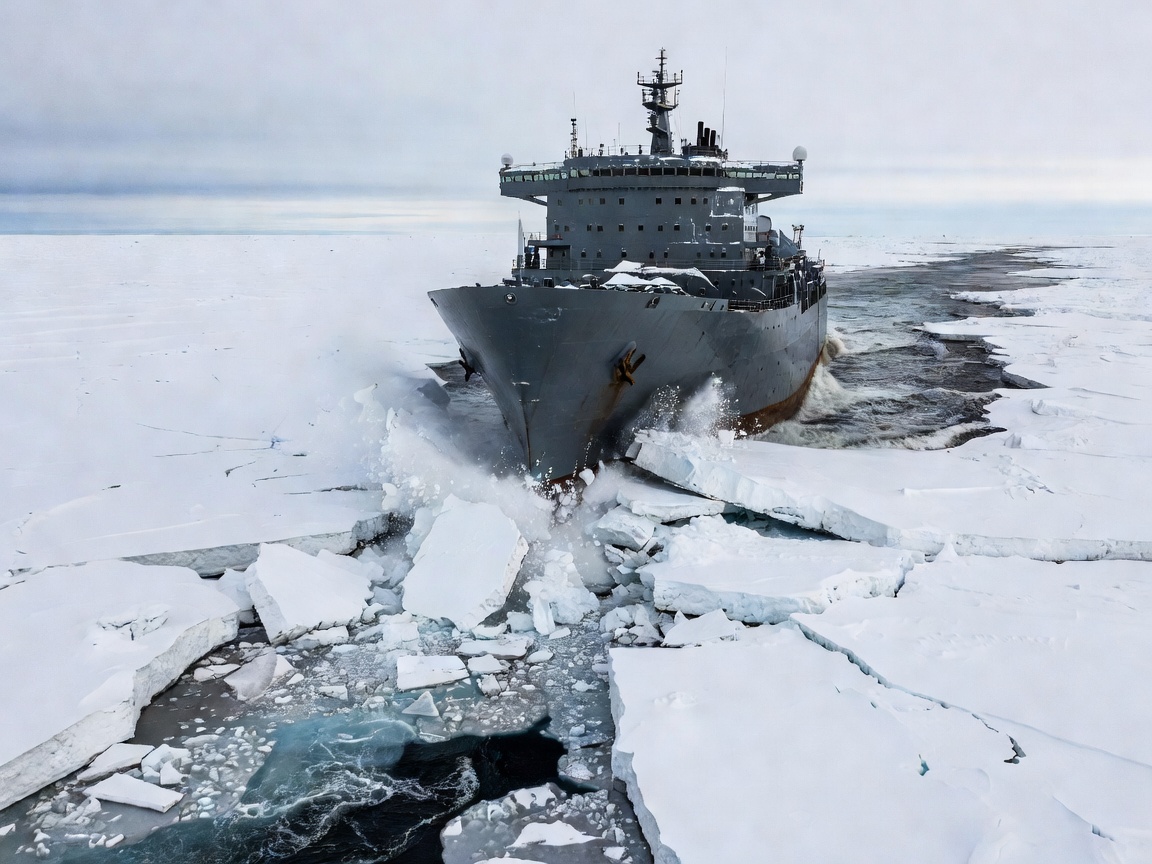
The Case for Nuclear Propulsion
Operating in the high Arctic presents a unique set of logistical challenges. Conventional diesel-electric ships require regular refuelling, an immense hurdle in regions where ports are frozen solid or simply non-existent. The adoption of nuclear marine propulsion resolved this fundamentally. By harnessing pressurized water reactors (PWRs), icebreakers can operate continuously for several years before requiring nuclear refuelling.
Beyond endurance, the sheer shaft horsepower necessary to break through multi-year ice up to three meters thick is immense. Traditional diesel engines capable of generating this output would consume prohibitive quantities of fuel, compromising cargo capacity and operational range. Nuclear power provides consistent, extreme torque to the propulsion shafts without the burden of vast fuel tanks.
Project 22220 Specifications
The modern benchmark for nuclear icebreakers is the Project 22220 class, designed to maintain navigation along the Northern Sea Route. Key specifications include:
- Displacement: Approx. 33,500 tonnes
- Powerplant: Two RITM-200 pressurized water reactors
- Shaft Power: 60 megawatts (MW)
- Icebreaking Capability: Continuous progress through 2.8 meters of ice at 1.5–2 knots
Operational Dynamics
Modern nuclear icebreakers utilize a dual-draft design. This means the vessel can take on massive amounts of water ballast to increase its draft for heavy icebreaking in the deep ocean, and pump that ballast out to decrease its draft for operating in shallow river estuaries, such as those of the Yenisei and Ob rivers. This versatility makes them critical assets for year-round resource extraction and cargo transport.
The reactors themselves rely on the cold Arctic waters for cooling. Because of this, true nuclear icebreakers rarely traverse equatorial waters; doing so would require significant adaptations to their cooling systems to prevent reactor overheating. Their domain is strictly confined to the frigid polar environments.
Advantages and Drawbacks
The advantages of nuclear icebreakers are heavily weighted towards performance. They offer unmatched independence from refuelling infrastructure, zero greenhouse gas emissions at the point of use, and the highest power output of any non-military marine vessel.
However, the drawbacks are heavily financial and political. The initial capital expenditure for constructing a nuclear vessel, specifically one compliant with stringent modern radiation shielding and safety standards, is staggering. Furthermore, the handling of spent nuclear fuel, the specialized training required for the crew, and the international geopolitical sensitivities surrounding nuclear technology limit their operation.
Environmental Considerations
While nuclear icebreakers do not emit carbon dioxide or particulate black carbon (a significant pollutant from heavy fuel oil that accelerates ice melt by darkening the snow), they carry intrinsic environmental risks. A catastrophic failure or sinking could result in radioactive contamination of pristine, highly sensitive arctic ecosystems. Modern engineering attempts to mitigate this with robust containment vessels designed to withstand collisions, capsizing, and even sinking without breaching the reactor core.
Looking forward, as the Arctic sea ice continues to thin due to climate change, the necessity for such massive vessels is being debated. However, increased traffic in the Northern Sea Route simultaneously drives the demand for reliable escort vessels, ensuring that these nuclear leviathans will remain a fixture of polar maritime operations for decades to come.